
The Whole Nutritional Handbook for Developing Lean Muscle
It takes more than just lifting weights in the gym to gain muscle. Muscle growth is stimulated by strength exercise, but it is fueled by a healthy diet. Your body will receive the proper ratio of protein, carbs, and healthy fats to support muscle repair, recovery, and long-term strength gains if you follow a well-structured meal plan for muscle gain.
This article will teach you why nutrition is important for building muscle, which foods to prioritize, and how to follow a workable meal plan for gaining muscle that works with your daily routine.
meal plan for muscle gain
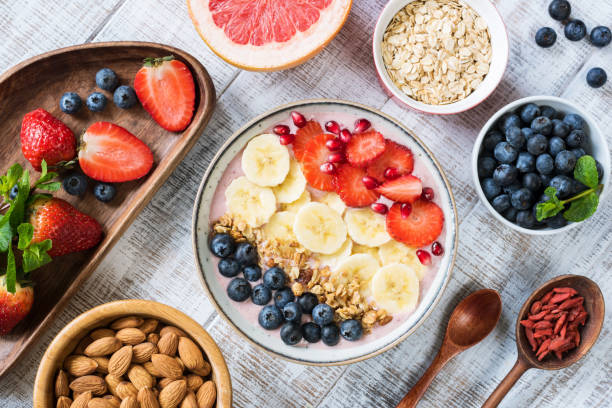
The Significance of a Meal Plan for Gaining Muscle
Eating without uncertainty is made easier with a regular meal plan. Many people fail to grow muscle because they don’t consume enough or the wrong kinds of food, not because they don’t train hard enough.
An appropriate meal plan for muscle gain assists you in:
Keep up the excess calories required for muscle growth. Eat enough protein to help your muscles heal. Use energy-dense carbs to power your workouts. Enhance recuperation and lessen exhaustion
Workout progress stalls and muscle building slows down in the absence of a regimented diet.
Comprehending Muscle Growth and Calories
Your body needs more calories every day to grow muscle than it burns. A calorie surplus is what this is known as. But as important as the quantity of calories is their quality.
Focus on nutrient-dense meals that support general health and provide you energy rather than processed or sugary foods. Instead of needless fat accumulation, lean muscle building results from a clean, balanced approach.
Crucial Elements of a Meal Plan for Gaining Muscle

Protein: Muscle’s Building Block
The most significant factor in muscle growth is protein. When muscle fibers are damaged during strength training, it aids in their regeneration so they can regenerate and become stronger.
Sources of high-quality protein include:
Fish like salmon or tuna; eggs; chicken breast; lean beef; Greek yogurt; beans, lentils, and tofu
For consistent muscle repair throughout the day, try to incorporate protein into each meal.
Carbohydrates: Energy for Power and Efficiency
The energy required for strenuous exercise comes from carbohydrates. Muscle healing lags and training performance deteriorates when there are insufficient carbohydrates.
The best sources of carbohydrates for building muscle are:
Oats, brown rice, quinoa, sweet potatoes, whole-grain bread, and fruits
In order to promote performance and recuperation, carbohydrates are particularly crucial before and after exercise.
Healthy Fats: Promoting Hormones and Healing
Hormones that promote muscle growth and general health are regulated by healthy fats. Additionally, they increase calories, which facilitates maintaining a calorie surplus.
Sources of healthy fat include:
Nuts, seeds, avocados, olive oil, and peanut butter
A Sample 7-Day Muscle Gain FOR Meal Plan
Muscle Gain FOR Meal Plan
A basic example of a muscle gain food plan may be found below. Depending on personal requirements, portion sizes can be changed.
Day 1
Greek yogurt with nuts for a snack. Oatmeal with eggs and fruit for breakfast.
Grilled chicken, brown rice, and vegetables for lunch; bananas with peanut butter for a snack; baked salmon, sweet potatoes, and broccoli for dinner
Day 2
Scrambled eggs and whole-grain toast for breakfast; fruit and yogurt for a snack; lean beef, quinoa, and mixed salad for lunch; nuts and dried fruit for a snack; and stir-fried chicken over rice for dinner.
Day 3
Smoothie with milk, oats, and banana for breakfast. boiled eggs for a snack, a turkey wrap with veggies for lunch, an apple with nut butter for a snack, and fish, potatoes, and greens for dinner
Days 4–7
To maintain meals balanced and pleasurable, repeat similar meals while switching up the protein sources, such as chicken, fish, eggs, beans, or lean meat.
Muscle Gain FOR Meal Plan
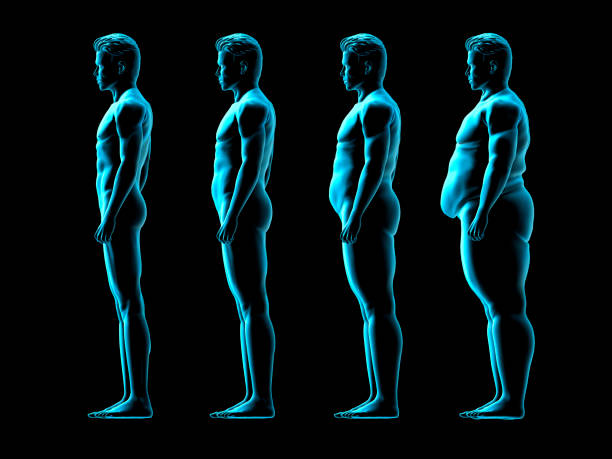
How to Tailor Your Meal Plan to Gain Muscle
Consistently Eat
It is challenging to meet your protein and calorie targets when you skip meals. Eat every three to four hours.
Modify Portions as Needed
Increase portion sizes somewhat, especially for carbohydrates and good fats, if after a few weeks you’re not gaining weight.
Remain Hydrated
Digestion, recuperation, and muscle function are all aided by water. Drink water all day long, not just when you’re working out.
Integrate Nutrition and Exercise
When combined with regular strength training and adequate rest, a meal plan is most effective.
Common Errors to Steer Clear of
Many people make these errors, which hinder their progress in gaining muscle:
Meal Plan to Gain Muscle
Not consuming enough calories, Ignoring protein intake,e Overindulging in junk food, Ignoring fruits and vegetables, Having irregular meals.
Over time, you’ll experience better outcomes if you avoid these mistakes.
Conclusion: A balanced, long-lasting meal plan is ideal for gaining muscle.
Whole meals, balanced nutrition, and consistency are key components of a good meal plan for muscle gain. You only need adequate high-quality calories, consistent protein consumption, and patience—you don’t need drastic diets or intricate regulations.