
Uncategorized

Uncategorized

Which Is Better for Your Fitness Objectives: Strength Training or Cardio?

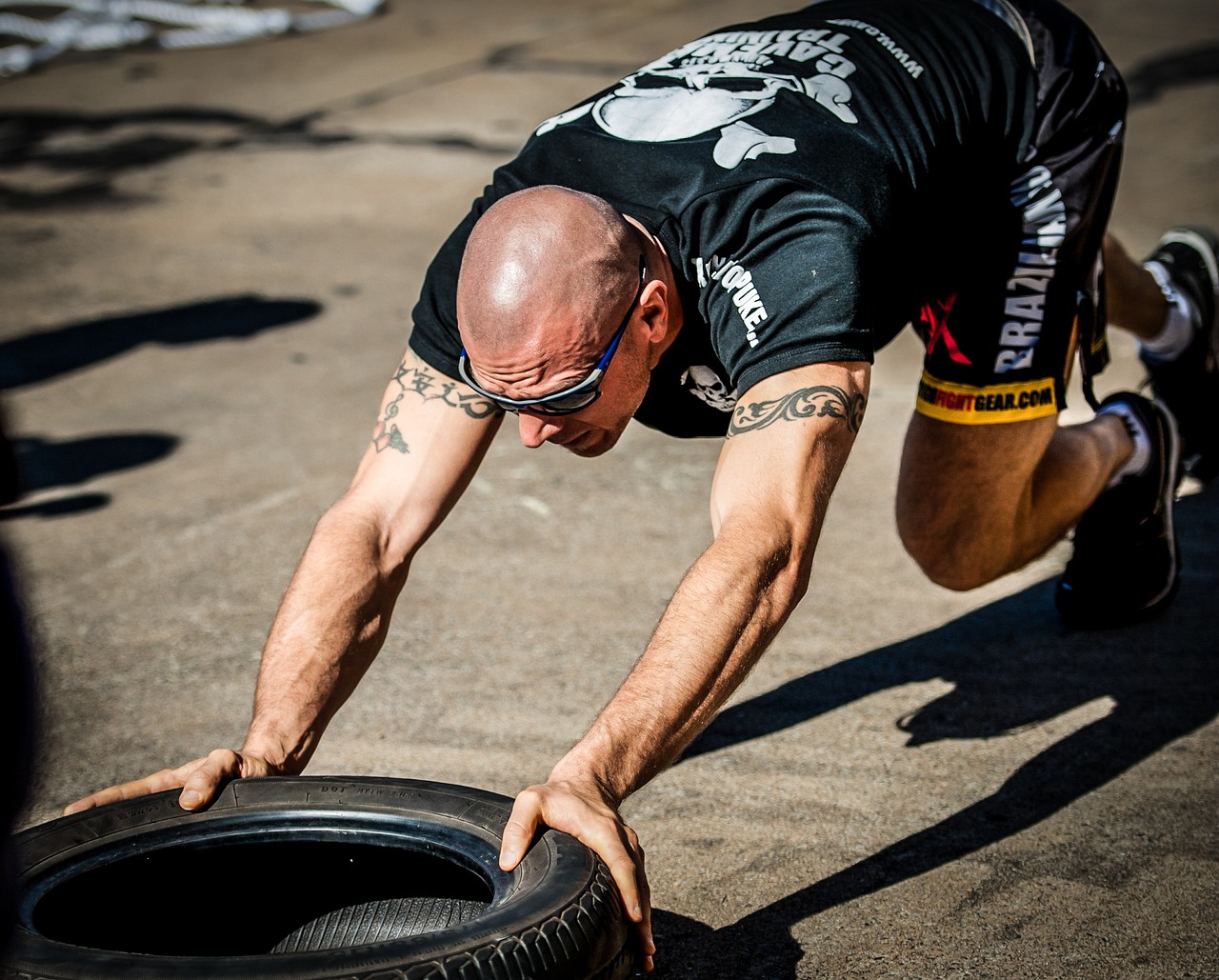
pend on your objectives—fat reduction, muscle growth, endurance, or general health. You can create a well-rounded exercise program. Cardio vs. strength training is one of the most prevalent arguments in fitness. Both types of exercise have significant advantages, but which one is best for you will de that produces long-term benefits by knowing how cardio and strength training operate. strength training or cardio We’ll discuss the distinctions, advantages, and ideal applications of strength and aerobic training in this post so you may choose what best suits your fitness goals and way of life. Cardio Training: What Is It? The goal of cardio training, sometimes referred to as aerobic exercise, is to raise your heart rate for a prolonged period of time. It increases stamina, burns calories, and strengthens the heart. Typical Cardio Exercise Types: Jogging or running, riding a bike, swimming, skipping rope, walking quickly. Intensity Interval Training, or HIIT. Benefits of Cardio Exercise: Enhances Heart and Lung Health. Cardio lowers the risk of high blood pressure and heart disease by strengthening the heart, enhancing blood circulation, and expanding lung capacity. It burns Fat with calories. Cardio exercises are great for reducing fat and losing weight since they are efficient at burning calories. Increases Energy and Endurance. Frequent cardio improves stamina, giving you more energy for everyday tasks and athletic endeavors. Improves Mental Well-Being. Endorphins are released by cardio. Strength Training: What Is It? The goal of strength training, sometimes referred to as resistance training, is to increase muscle mass by working against resistance. Weights, resistance bands, or bodyweight workouts can provide this resistance. Typical Strength Training Methods Lifting weights Bodyweight exercises (squats, push-ups) Exercises with resistance bands Functional training Lifting weights. Strength Training Benefits: Increases Muscle Mass. Gaining strength, shape, and definition is made possible by strength training, which promotes muscular growth. Boosts the Metabolism At rest, muscle tissue consumes more calories. Your basal metabolic rate (BMR) increases with muscle mass. Boosts Bone Density Particularly as you age, resistance exercise strengthens bones and lowers the chance of osteoporosis. Improves the Composition of the Body Strength training gives you a toned, athletic appearance by reducing fat while preserving lean muscle. Key Distinctions Between Strength and Cardio TrainingLoss of Fat. Cardio: Increases calorie burn while exercising Strength training: Because it repairs muscles, it burns calories after a workout. Building Muscle Cardio: Not much muscular growth Strength training is crucial for developing muscle and strength. Duration of Workout Cardio: Usually lengthier sessions (30–60 minutes) Strength Training: 30 to 45 minutes of rigorous, shorter sessions Long-Term Outcomes Cardio: Enhances cardiovascular health and endurance Strength training increases metabolism, strength, and posture. Which Is Better for Losing Weight? strength training or cardio In actuality, both strength and aerobic training are beneficial for weight loss, but they do it in different ways. Cardio to Burn Calories Fast Cardio is beneficial for beginners and those looking to lose weight quickly because it burns calories swiftly. Strength Training for Long-Term Fat Loss Building muscle through strength exercise increases your daily caloric expenditure, even when you’re at rest. The Best Method for Losing Weight Strength exercise for three to four days Two to three days of cardio This combo preserves muscle while optimizing fat reduction. Strength Training vs. Cardio for Muscle Gain Strength training should be your top focus if you want to gain muscle. Your resistance training should be supplemented, not replaced, by cardio. How Much Exercise Should You Do? Two to three times a week, light cardio Sessions should be brief (15–30 minutes). Prioritize low-impact aerobic exercises like cycling or walking. This enhances cardiac health and recuperation while preventing muscle loss. Is It Possible to Combine Strength and Cardio Training? Yes, and it comes highly recommended. Advantages of Combining the Two Improved reduction of fat Enhanced stamina Fitness in balance Decreased chance of harm The Best Way to Combine Them Option 1: Cardio Later, Strength First Perfect for increasing strength and muscular mass. 2: Different Days for Exercise Ideal for novices and people with particular exercise objectives. 3: Training with HIIT saves time and improves outcomes by combining cardio and strength training into a single, effective program. Strength vs. Cardio Exercise for  Beginners Start out slowly and concentrate on consistency if you’re new to fitness. Beginner-Friendly Strategy Two to three days of full-body strength training Two to three days of mild cardiac One day off for recuperation This strategy avoids burnout and creates a solid basis. Which One Is Best for You?Select Cardio If: Your primary objective is endurance. You like sports like cycling or running. You desire heart health and stress reduction. Select Strength Training If: You wish to gain muscle. You want your body to be toned. Long-term fat loss is what you want. The Best Option: Do Both For general health, strength, and longevity, the best fitness regimen combines aerobic and strength training. Conclusion: Strength Training vs Cardio. There is no clear winner in the argument between strength training and cardio. Both are essential for building a strong, healthy, and fit body. Strength training increases metabolism and muscular mass, while cardio strengthens the heart and burns calories. For optimal outcomes, include both into a well-rounded regimen that fits your objectives, degree of fitness, and way of life. Recuperation, healthy eating, and consistency are more important than picking one over the other.

Uncategorized

HOW TO LOSE FAT

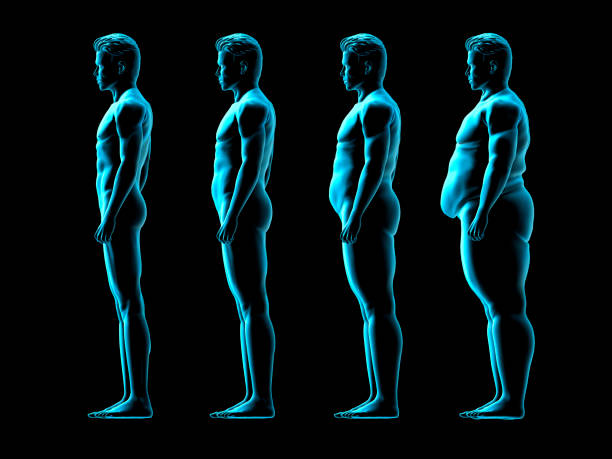
A Complete Guide for Safe and Lasting Results : How to lose fat One of the most prevalent and annoying fitness issues for both men and women is belly obesity. Many people attempt short-term solutions like intense exercise, crash diets, or fat-burning pills, but these approaches are rarely effective in the long run. It takes a mix of good diet, exercise, lifestyle modifications, and consistency to understand how to lose belly fat. This comprehensive book will explain what belly fat is, why it persists, and the best, scientifically proven methods for reducing it in a sustainable and natural way. What Is Belly Fat and Why Is It Harmful? Belly obesity is one of the most common and bothersome fitness problems for both men and women. Many people try short-term fixes like rigorous exercise, crash diets, or fat-burning medications, but these methods are rarely long-term successful. Understanding how to reduce belly fat requires a combination of a healthy diet, regular exercise, lifestyle changes, and perseverance. This thorough book will explain what belly fat is, why it persists, and the most effective, natural, and lasting ways to lose it. Why Is Belly Fat So Hard to Lose? Belly fat is stubborn due to several factors, including: Spot reduction is a myth. You cannot lose belly fat alone by doing only abs exercises. Fat loss happens throughout the body, and belly fat usually goes last. How to Naturally Reduce Fat A calorie deficit, or burning more calories than you take in, is the cornerstone of fat reduction. Extreme calorie restriction, however, might cause muscle loss and impede metabolism. Aim for a moderate deficit by eating a balanced diet and exercising frequently. Top Dietary Advice for Reducing Belly Fat Protein aids in maintaining muscle mass, boosting metabolism, and decreasing appetite. Reduced abdominal fat is closely associated with high-protein diets. Top sources of protein: Eggs Fish and chicken Tofu and paneer Beans with lentils Greek-style yogurt 3. Reduce Sugar And Refined Carbs Insulin surges and fat storage, particularly in the abdomen, are encouraged by excess sugar and refined carbs. Steer clear of or restrict: Sugary beverages White pastries and bread Desserts and sweets Snacks that have been processed Swap them out with fruits, veggies, and nutritious grains. Insulin surges and fat storage, particularly in the abdomen, are encouraged by excess sugar and refined carbs. Steer clear of or restrict: Sugary beverages White pastries and bread Desserts and sweets Snacks that have been processed Swap them out with fruits, veggies, and nutritious grains. 4. Add Nutritious Fats Good fats enhance satiety and aid in hormone regulation. Good sources of fat: Seeds and nuts Olive oil Avocados Fish that is fatty Steer clear of highly processed oils and trans fats. 5. Boost Your Fiber Consumption By enhancing gut health, soluble fiber slows digestion and lowers belly fat. Foods high in fiber include: Oats Fruits Vegetables The flaxseed Legumes The Greatest Workouts for Losing Belly Fat 6. Strength Training Is Crucial Gaining lean muscle through weightlifting raises your resting metabolism. Increased muscle mass results in higher daily calorie expenditure. Suggested exercises for strength: Squats Deadlifts Push-ups Rows Lunges Train at least 3–4 times per week. 7. HIIT & Cardio for Burning Fat While HIIT (High-Intensity Interval Training) is a great way to lose belly fat quickly, cardio burns calories and strengthens the heart. For instance: Walking quickly Running Riding a cycling Leap rope Sprint durations 8.Don’t Depend Just on Ab Exercises Planks and crunches do not directly burn belly fat, but they do strengthen the core muscles. Instead of using them as the primary remedy, incorporate them into a full-body workout. Modifications to Your Lifestyle to Reduce Belly Fat 9. Control Your Stress Levels High levels of stress raise cortisol, a hormone associated with the storage of belly fat. Stress-relieving behaviors: Practicing meditation Inhaling deeply Yoga Taking a stroll outside 10. Boost the Quality of Your Sleep Lack of sleep boosts fat growth by interfering with appetite hormones. Sleep advice: Try to get between seven and nine hours of sleep. Keep a regular sleep routine. Don’t use screens right before sleeping. How Much Time Is Needed to Reduce Belly Fat? A set timetable does not exist. Depending on genetics, exercise level, and food, healthy belly fat loss often happens at a pace of 0.5–1 kg per week. If you work consistently, you can see benefits in 4–8 weeks. The secret is patience. Rapid, transient effects are usually inferior than sustained fat loss. Do Supplements Aid in Belly Fat Loss? The majority of fat-loss pills don’t really help. Certain natural substances, such as caffeine or green tea, may marginally increase metabolism, but they cannot take the place of diet and exercise. Changes in lifestyle should always come first. Typical Errors to Avoid Self-starvation Ignoring strength training Excessive cardio Anticipating prompt outcomes Using “belly fat burner” goods Right Way TO Lose Fat Learning how to lose belly fat is about creating a balanced lifestyle—not punishment or shortcuts. Combine a nutritious diet, regular exercise, quality sleep, and stress management for long-term success. Consistency, discipline, and realistic expectations will help you lose belly fat safely and keep it off for life.

Uncategorized

MEAL PLAN FOR MUSCLE GAIN

The Whole Nutritional Handbook for Developing Lean MuscleIt takes more than just lifting weights in the gym to gain muscle. Muscle growth is stimulated by strength exercise, but it is fueled by a healthy diet. Your body will receive the proper ratio of protein, carbs, and healthy fats to support muscle repair, recovery, and long-term strength gains if you follow a well-structured meal plan for muscle gain. This article will teach you why nutrition is important for building muscle, which foods to prioritize, and how to follow a workable meal plan for gaining muscle that works with your daily routine. meal plan for muscle gain The Significance of a Meal Plan for Gaining Muscle Eating without uncertainty is made easier with a regular meal plan. Many people fail to grow muscle because they don’t consume enough or the wrong kinds of food, not because they don’t train hard enough. An appropriate meal plan for muscle gain assists you in: Keep up the excess calories required for muscle growth. Eat enough protein to help your muscles heal. Use energy-dense carbs to power your workouts. Enhance recuperation and lessen exhaustion Workout progress stalls and muscle building slows down in the absence of a regimented diet. Comprehending Muscle Growth and Calories Your body needs more calories every day to grow muscle than it burns. A calorie surplus is what this is known as. But as important as the quantity of calories is their quality. Focus on nutrient-dense meals that support general health and provide you energy rather than processed or sugary foods. Instead of needless fat accumulation, lean muscle building results from a clean, balanced approach.  Crucial Elements of a Meal Plan for Gaining Muscle Protein: Muscle’s Building Block The most significant factor in muscle growth is protein. When muscle fibers are damaged during strength training, it aids in their regeneration so they can regenerate and become stronger. Sources of high-quality protein include: Fish like salmon or tuna; eggs; chicken breast; lean beef; Greek yogurt; beans, lentils, and tofu For consistent muscle repair throughout the day, try to incorporate protein into each meal.  Carbohydrates: Energy for Power and Efficiency The energy required for strenuous exercise comes from carbohydrates. Muscle healing lags and training performance deteriorates when there are insufficient carbohydrates. The best sources of carbohydrates for building muscle are: Oats, brown rice, quinoa, sweet potatoes, whole-grain bread, and fruits In order to promote performance and recuperation, carbohydrates are particularly crucial before and after exercise. Healthy Fats: Promoting Hormones and Healing Hormones that promote muscle growth and general health are regulated by healthy fats. Additionally, they increase calories, which facilitates maintaining a calorie surplus. Sources of healthy fat include: Nuts, seeds, avocados, olive oil, and peanut butter  A Sample 7-Day Muscle Gain FOR Meal Plan Muscle Gain FOR Meal Plan A basic example of a muscle gain food plan may be found below. Depending on personal requirements, portion sizes can be changed. Day 1  Greek yogurt with nuts for a snack. Oatmeal with eggs and fruit for breakfast. Grilled chicken, brown rice, and vegetables for lunch; bananas with peanut butter for a snack; baked salmon, sweet potatoes, and broccoli for dinner Day 2 Scrambled eggs and whole-grain toast for breakfast; fruit and yogurt for a snack; lean beef, quinoa, and mixed salad for lunch; nuts and dried fruit for a snack; and stir-fried chicken over rice for dinner.  Day 3 Smoothie with milk, oats, and banana for breakfast. boiled eggs for a snack, a turkey wrap with veggies for lunch, an apple with nut butter for a snack, and fish, potatoes, and greens for dinner  Days 4–7 To maintain meals balanced and pleasurable, repeat similar meals while switching up the protein sources, such as chicken, fish, eggs, beans, or lean meat. Muscle Gain FOR Meal Plan How to Tailor Your Meal Plan to Gain Muscle  Consistently Eat It is challenging to meet your protein and calorie targets when you skip meals. Eat every three to four hours.  Modify Portions as Needed Increase portion sizes somewhat, especially for carbohydrates and good fats, if after a few weeks you’re not gaining weight.  Remain Hydrated Digestion, recuperation, and muscle function are all aided by water. Drink water all day long, not just when you’re working out.  Integrate Nutrition and Exercise When combined with regular strength training and adequate rest, a meal plan is most effective. Common Errors to Steer Clear of Many people make these errors, which hinder their progress in gaining muscle: Meal Plan to Gain Muscle Not consuming enough calories, Ignoring protein intake,e Overindulging in junk food, Ignoring fruits and vegetables, Having irregular meals. Over time, you’ll experience better outcomes if you avoid these mistakes.  Conclusion: A balanced, long-lasting meal plan is ideal for gaining muscle. Whole meals, balanced nutrition, and consistency are key components of a good meal plan for muscle gain. You only need adequate high-quality calories, consistent protein consumption, and patience—you don’t need drastic diets or intricate regulations.

Support

FAQ

Support

Training

Contacts

phone.no.09876543210

location.sec.45A Chandigarh

Scroll to Top